The problem
The 1915 Marsica earthquake flattened almost all of Avezzano. What remains of the old town is a set of black and white photographs, scattered across archives, that few residents have ever seen. The Rotary Club of Avezzano and the town council wanted to give that city back to the community, in a way people could experience in more than one place and not only behind glass.
What we built
Three installations that start from the same 3D reconstruction of the town and bring it to different audiences.
-
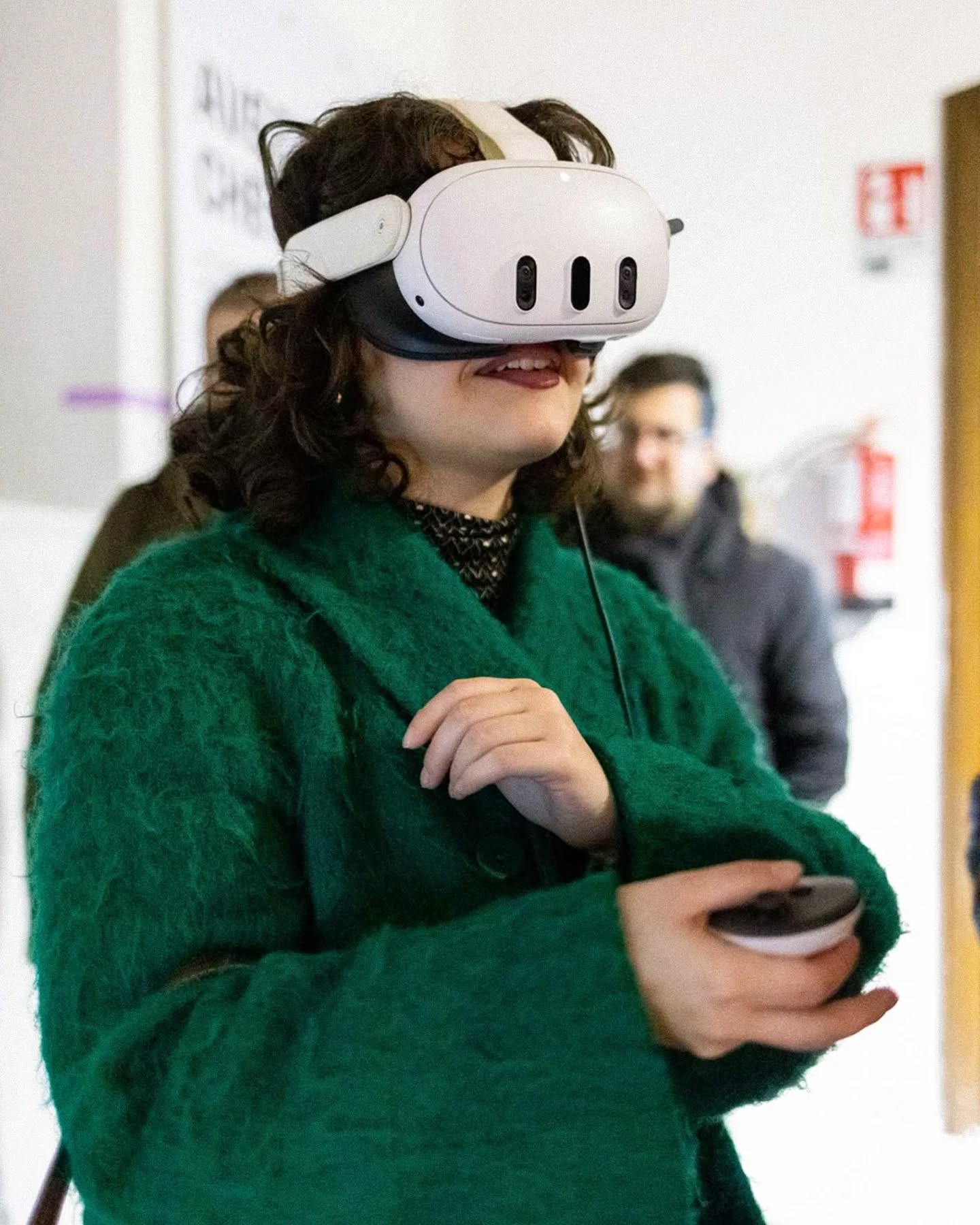
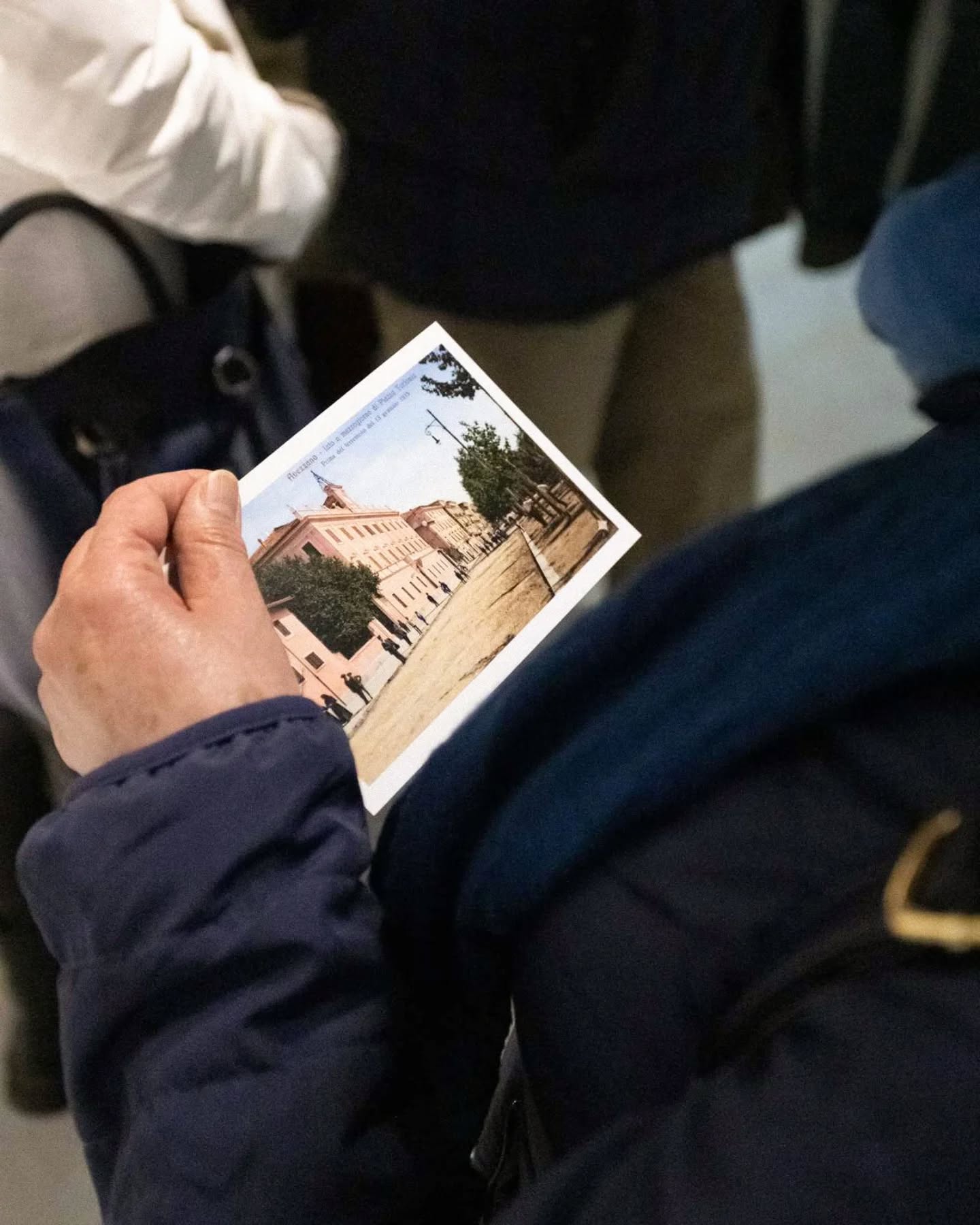
A VR experience, built on our Explore framework: you put on the headset and walk the streets as they were before 1915, moving freely around the room, with points of interest that tell the story of each building and period photographs, colourised with AI, placed inside the scene.
-
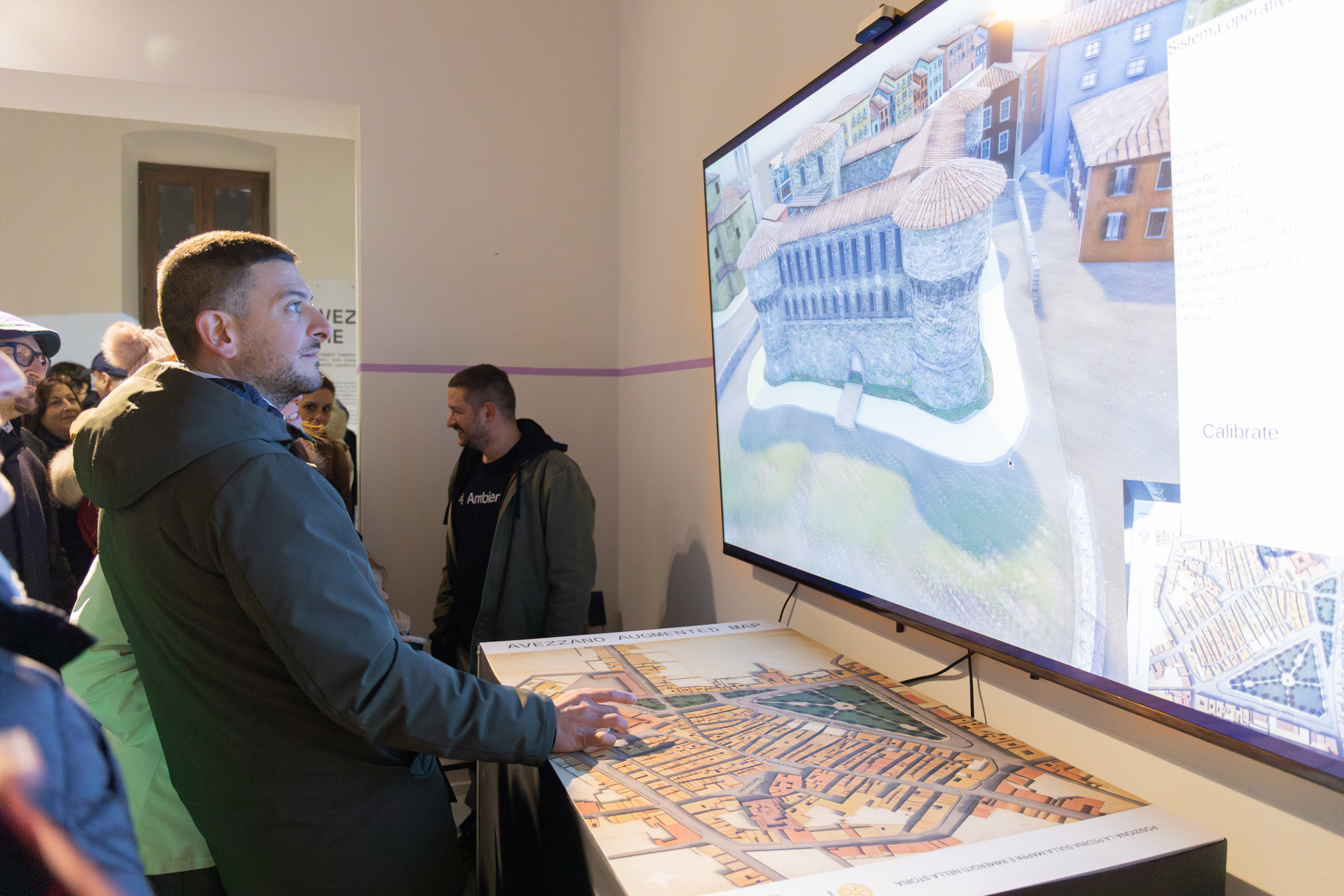
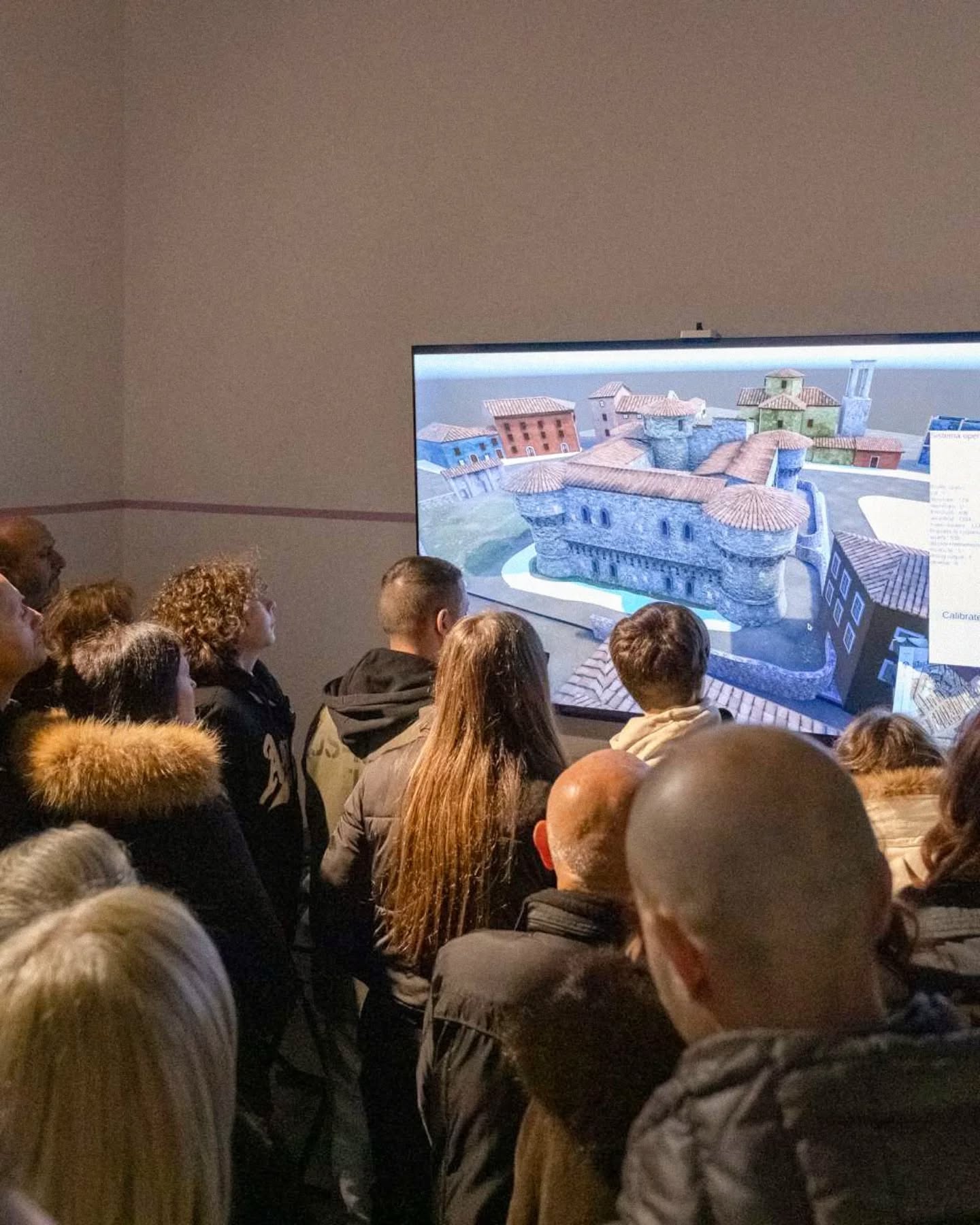
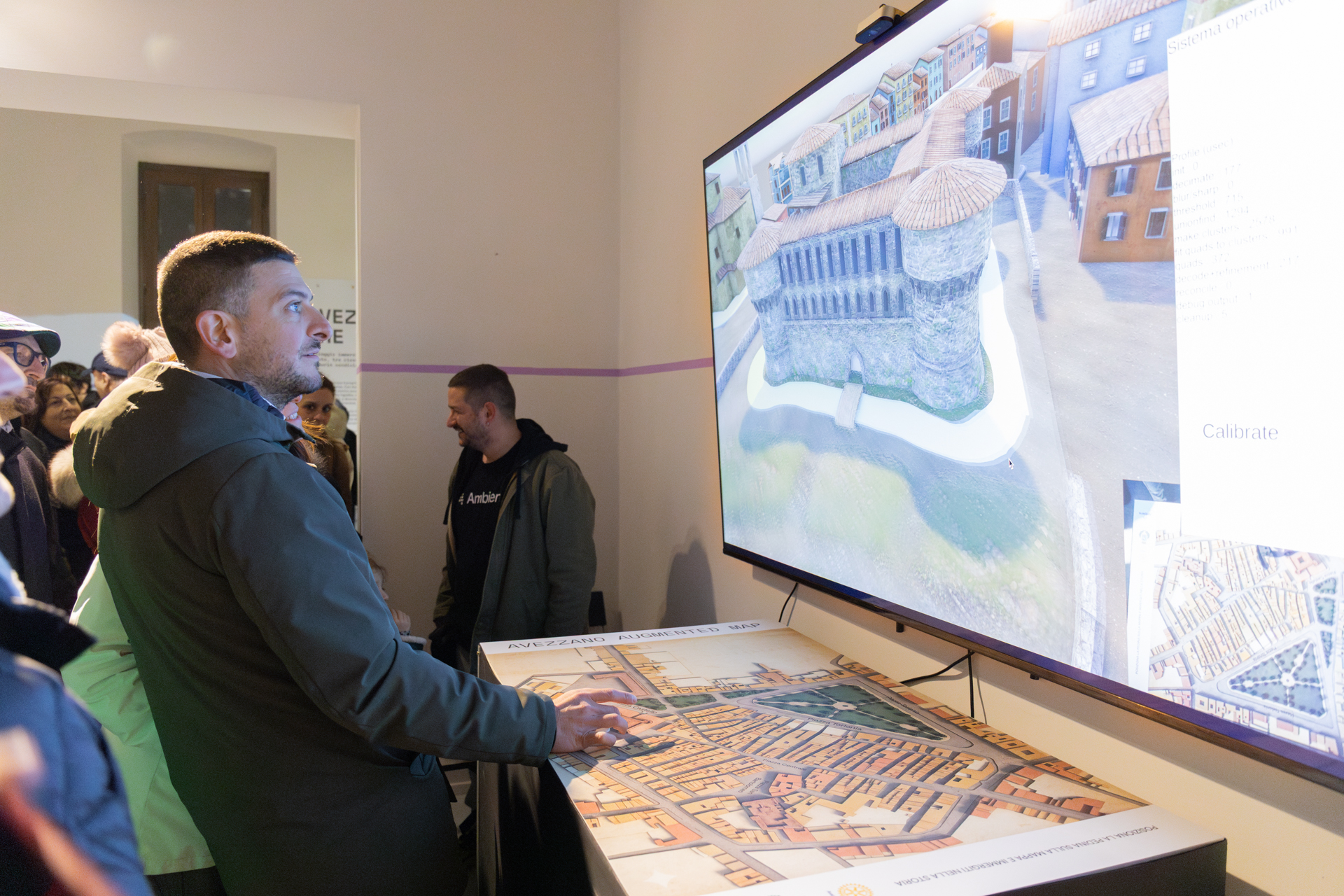
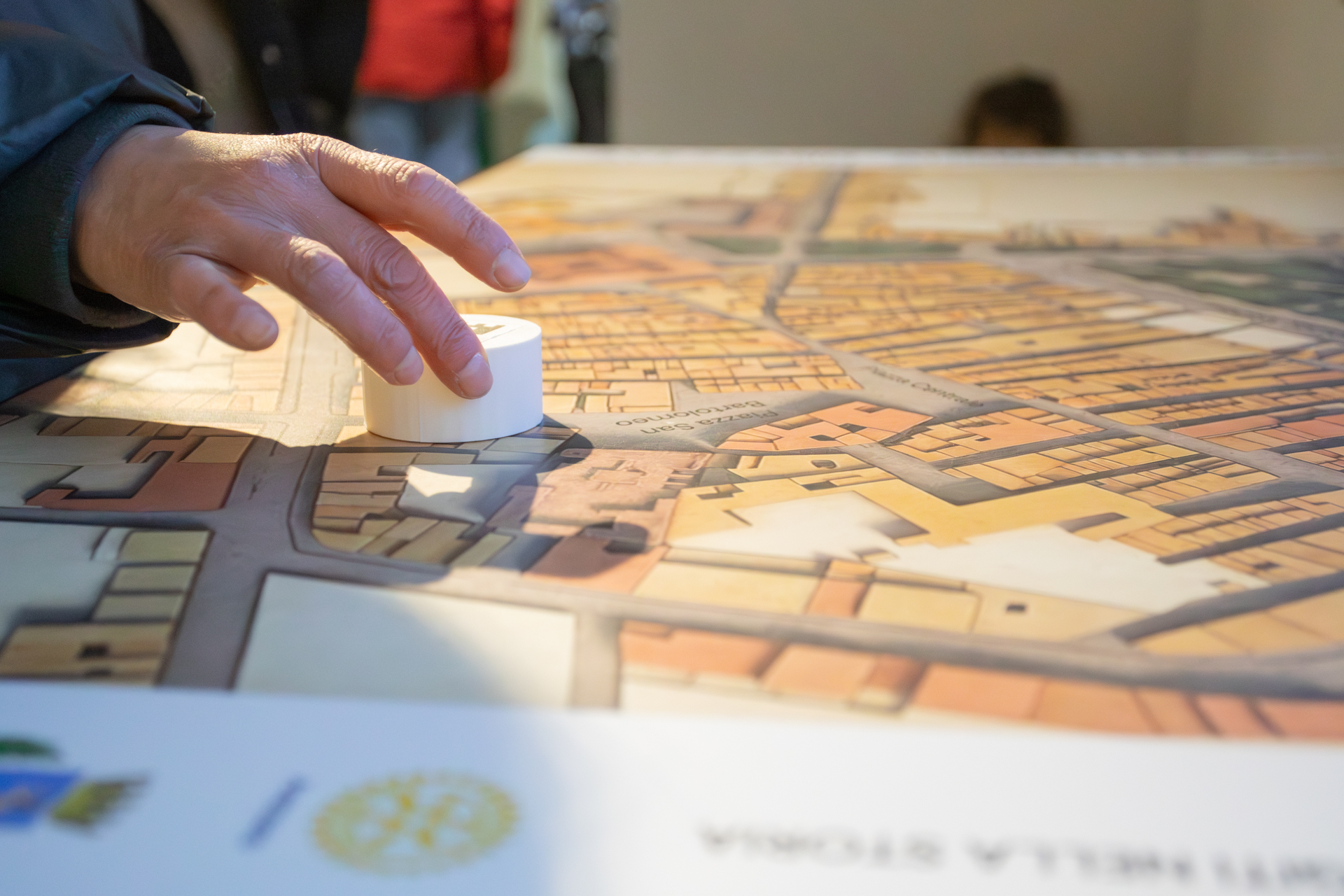
An interactive Phygimap display: a physical map you touch, connected to a screen. Move the marker on the physical map to see the virtual reconstruction of that area appear on screen, recreated from archive photographs and documents.
-
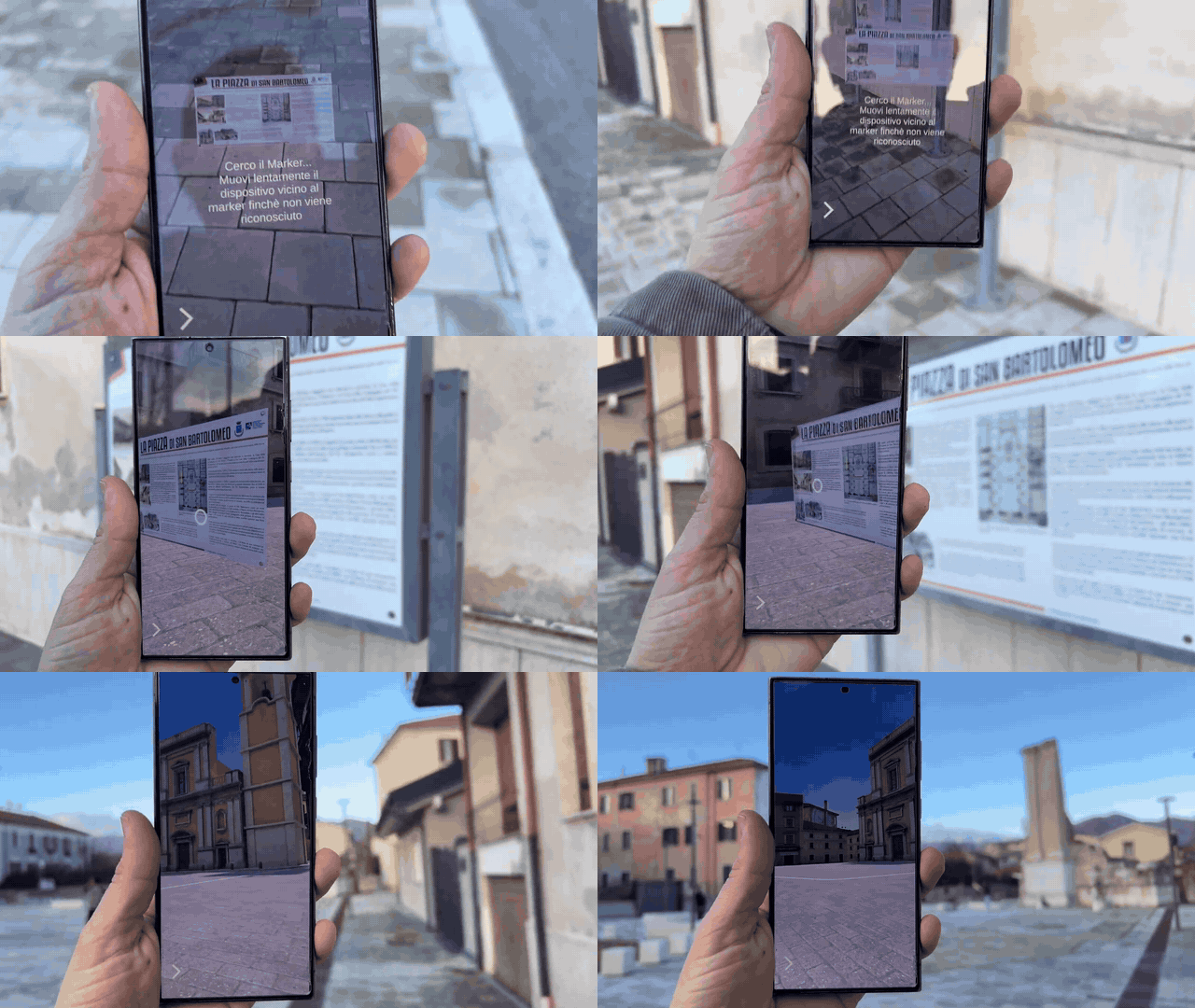
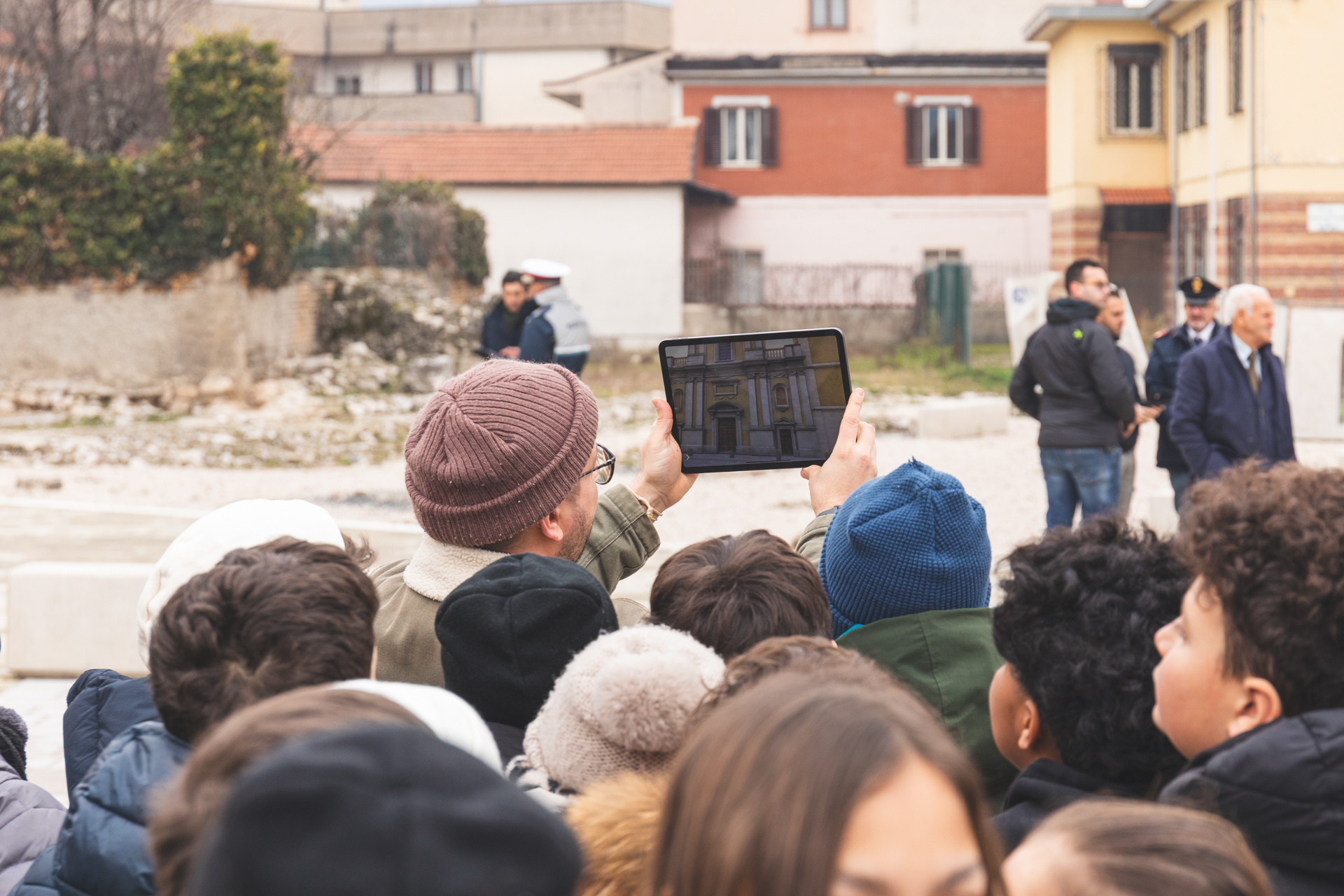
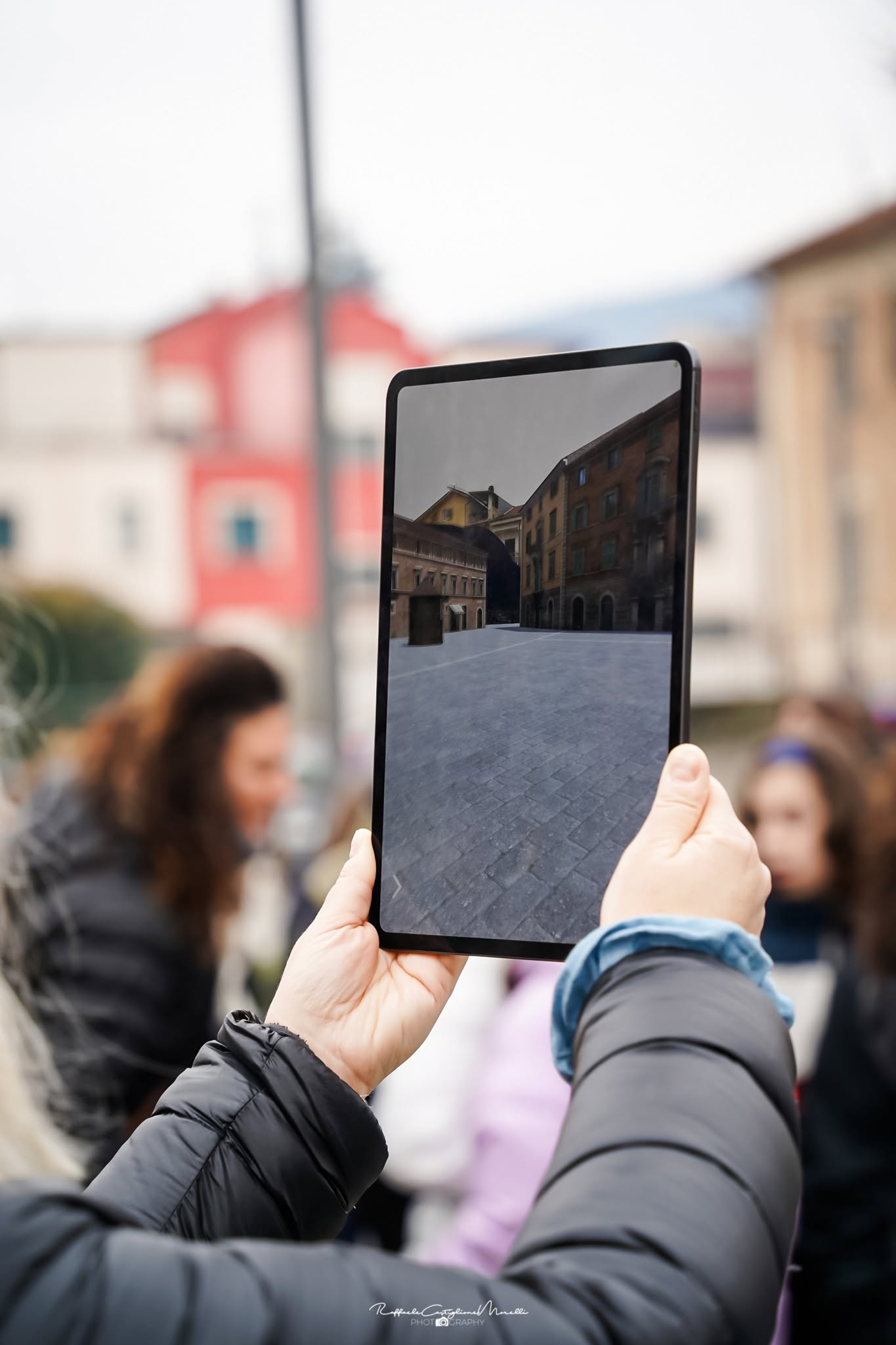
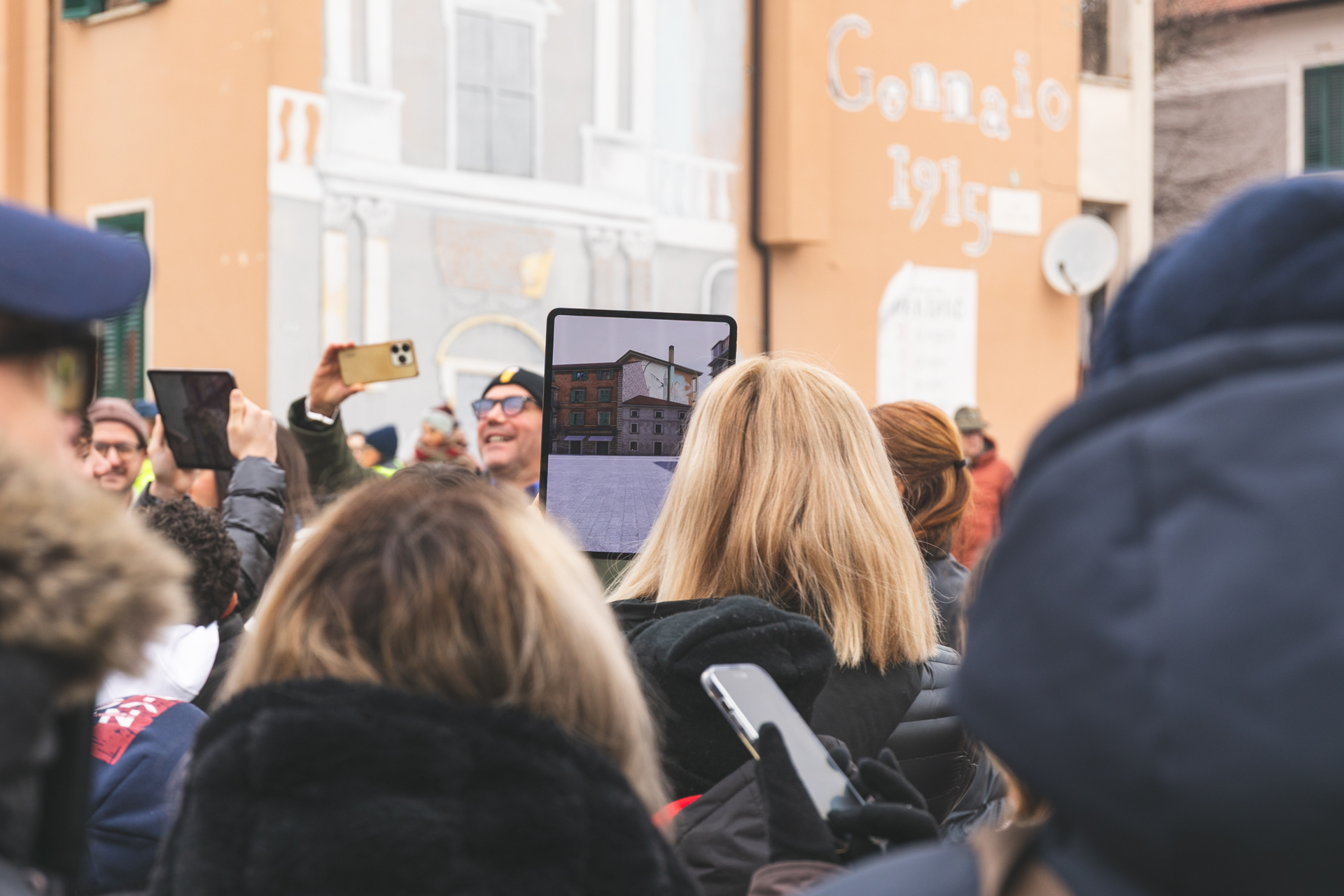
An AR app for iOS and Android. Stand in Piazza San Bartolomeo, point your phone, and see the square as it was before the earthquake, with old buildings and facades laid over today's.
Where it lives
The VR and Phygimap installations are permanently installed at the Aia dei Musei in Avezzano, during museum opening hours. The AR app works on site around the town and is free to download.
How we made it
The 3D town is modelled from archive photographs and architectural and cadastral documentation. All three platforms run on Unity with the Explore plugin handling navigation, interaction and content in both VR and AR.
What happened next: opening and project milestones
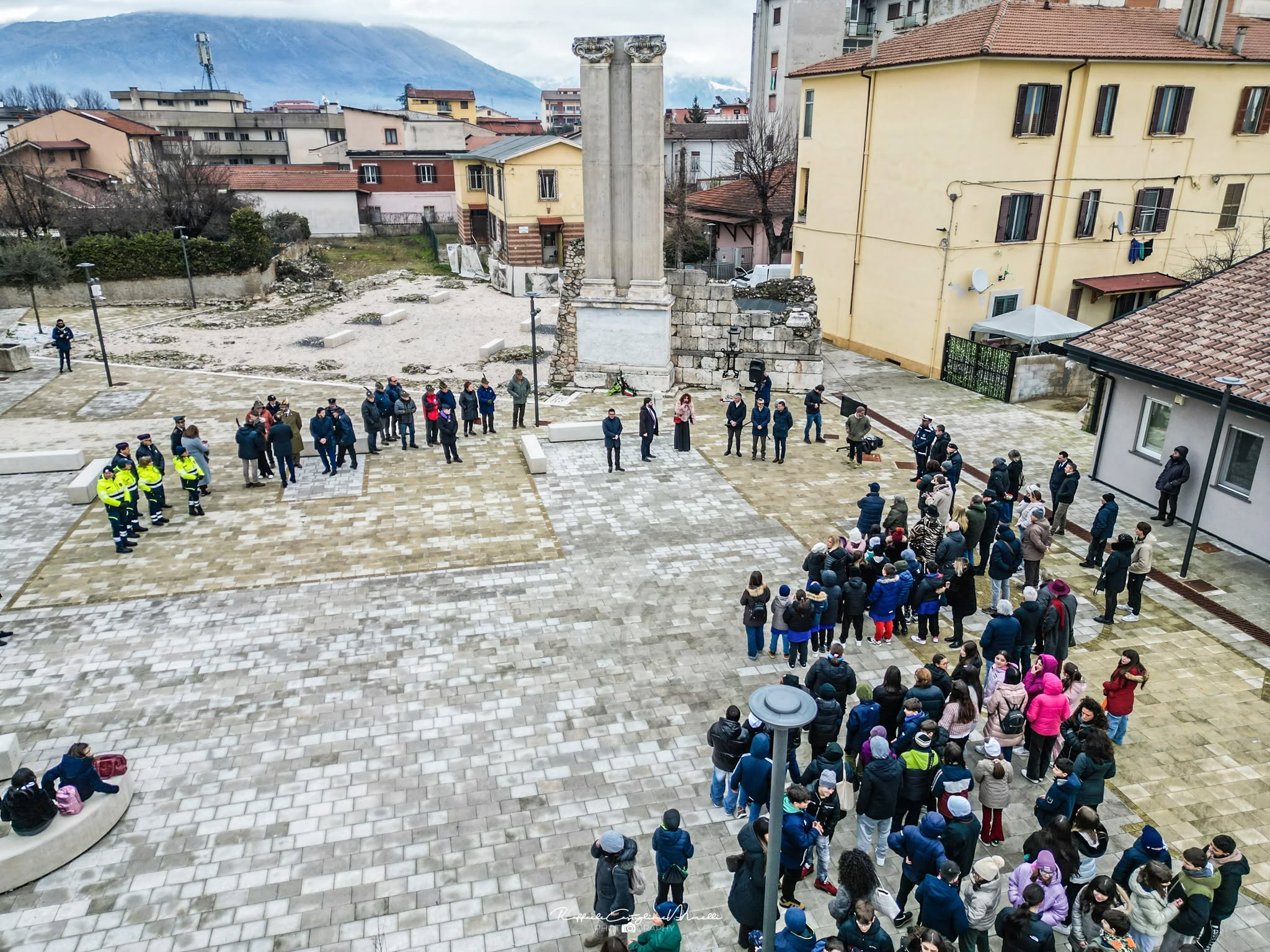
The Comune di Avezzano organised two events dedicated to the city's history: 22 December 2025 at Aia dei Musei and 13 January 2026 in Piazza San Bartolomeo.
Virtual reality at Aia dei Musei
Opened on 22 December 2025, the permanent installation turns two museum rooms into a time machine. Visitors can explore historic Avezzano in first person through VR headsets, then investigate the city's urban history with a large map enhanced by dynamic projections.
Augmented reality in Piazza San Bartolomeo
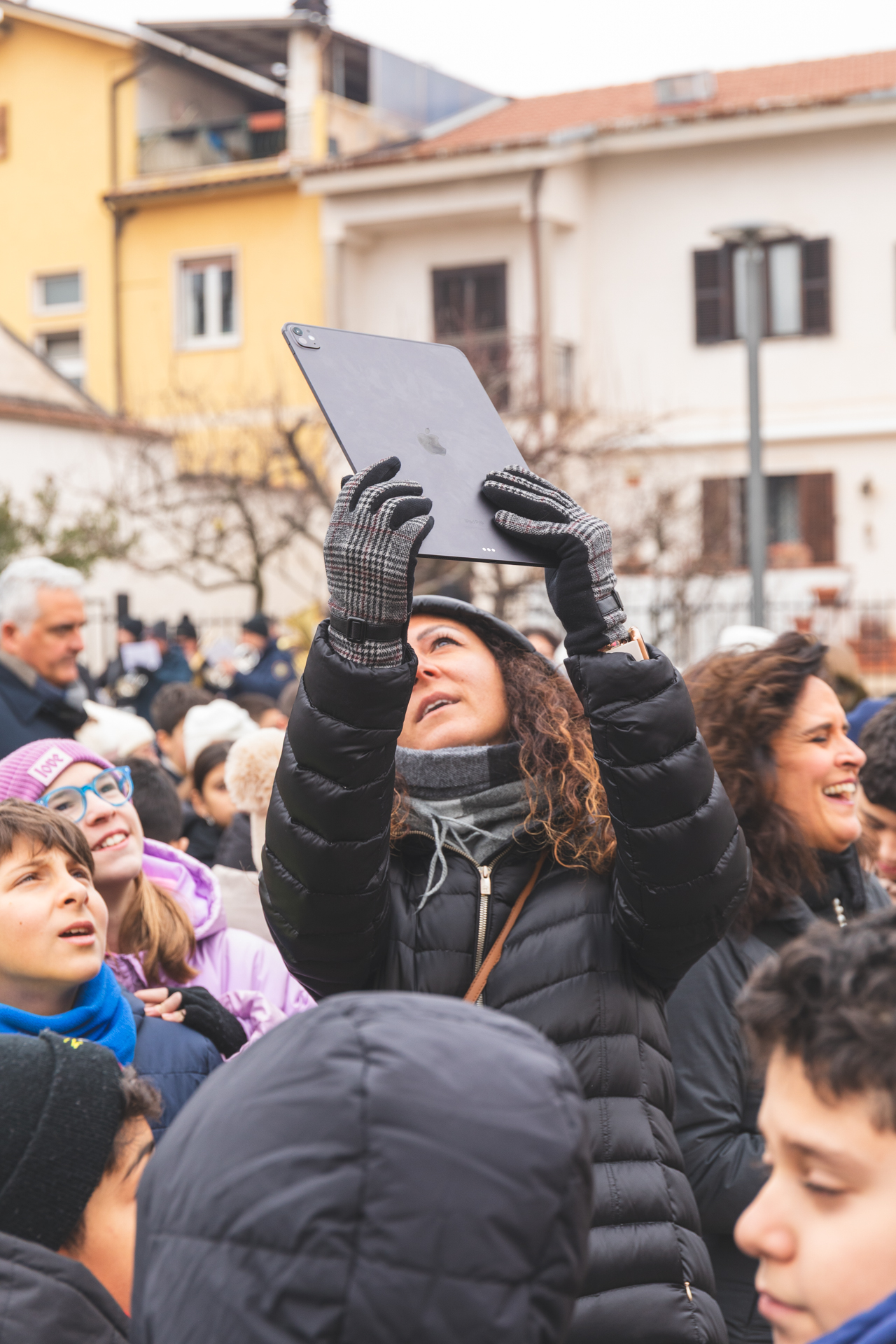
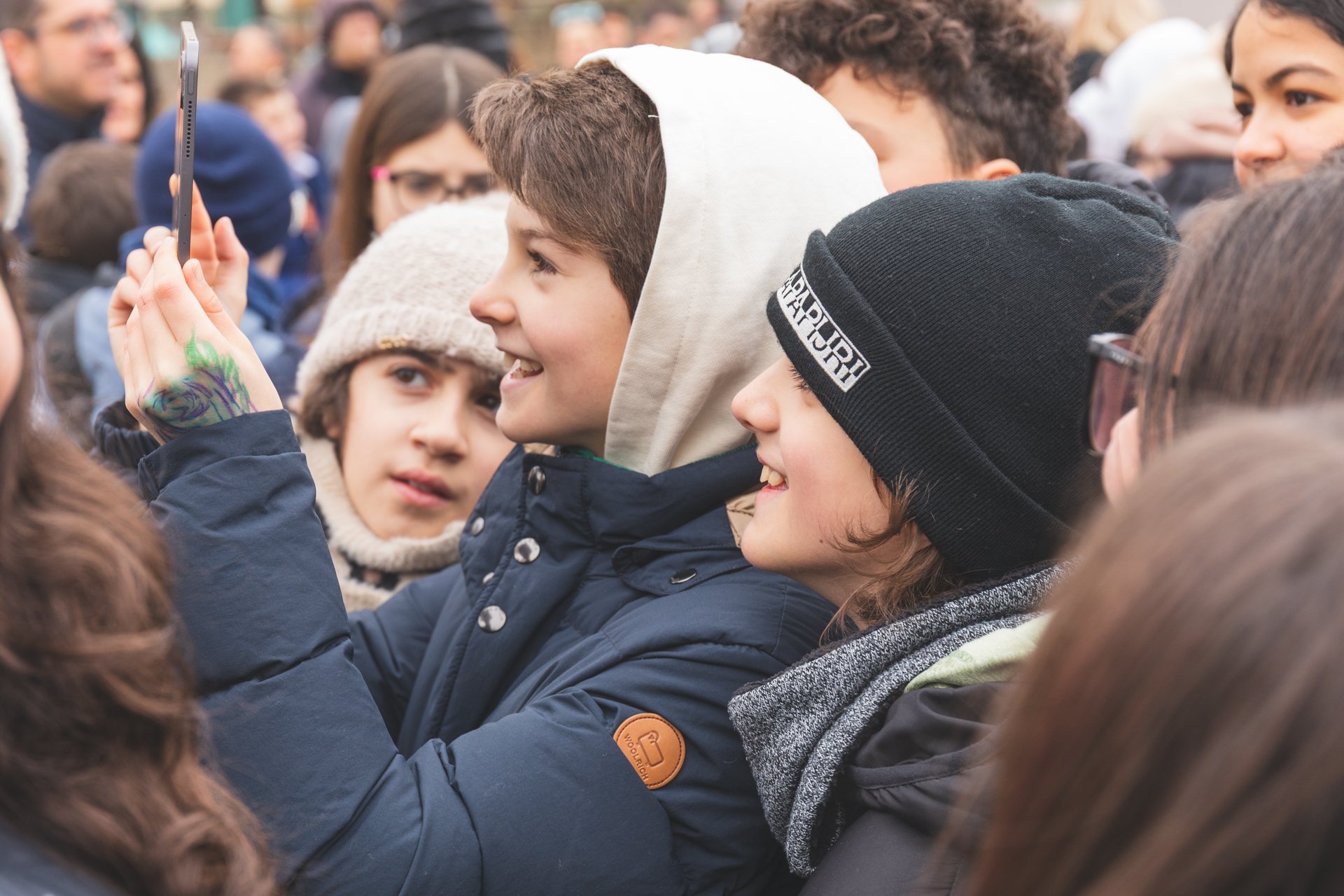
On 13 January 2026, the immersive experience moved outdoors, into the heart of the city. Through AR, citizens could experience the historic memory on site, seeing virtual elements overlaid on the real urban landscape.
The memory of Avezzano in public history
The memory of the lost city of Avezzano was also discussed at the 8th National Conference of the Italian Public History Association. The conference programme includes Stefano Boero's talk, Memoria di una città scomparsa: Avezzano, la Marsica dopo il terremoto del 1915. Its abstract refers to virtual reconstructions and immersive experiences as ways to bring the historic city back into view.
Accessibility
For a public museum installation, accessibility is a design constraint, not a finishing touch.
In practice: every piece of content is available through more than one channel (visual, audio, tactile), and the Phygimap pairs the screen with a surface you can touch. People who cannot wear a headset get the same town on the display or in the app.
Heritage that sat locked in archives is accessible again, in the literal sense of the word.